Related Blogs
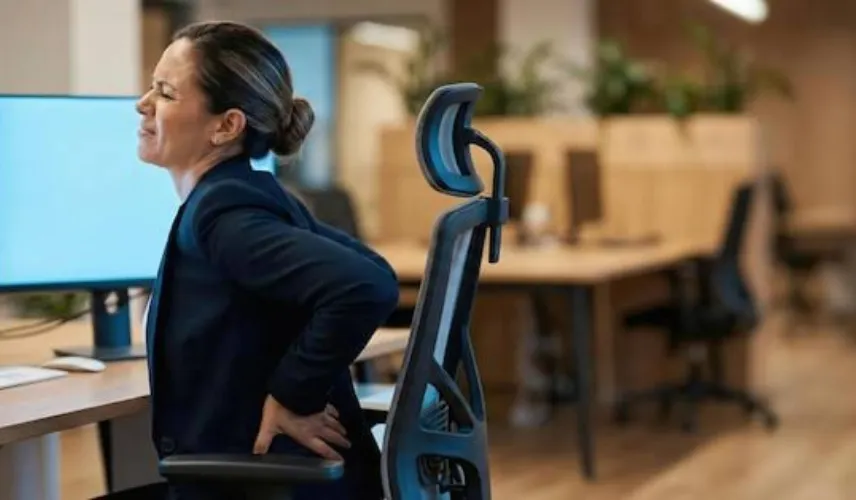
10 Common Sports Equipment Mistakes to Avoid
Choosing the right sports equipment can make a significant difference to your comfort, performance, and safety, but it's easy to make costly mistakes without the right guidance. From buying the wrong size to overlooking quality and protective gear, these common errors can affect your game and your budget.
See More
Benefits of Regular Exercise for a Healthy Lifestyle
Wondering how regular exercise can improve your health? Staying active helps strengthen your body, boost your mood, increase energy levels, and support a healthier lifestyle. From better fitness to improved mental well-being, regular exercise offers benefits that help you feel stronger and healthier every day.
See More
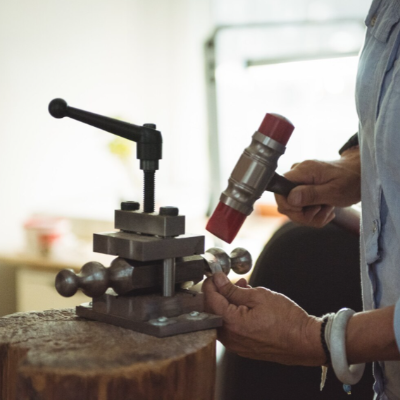
Best Snapmaker Machines for Creative Makers
Discover Snapmaker's best multifunction machines for 3D printing, laser engraving, and CNC carving. Learn their features, benefits, and which model fits your creative needs.
See More
MiHIGH Cold Plunge Review: Is It Worth Buying?
Looking for a reliable home ice bath? This MiHIGH Cold Plunge review explores its features, benefits, usability, and recovery advantages to help you determine whether it deserves a place in your wellness routine.
See More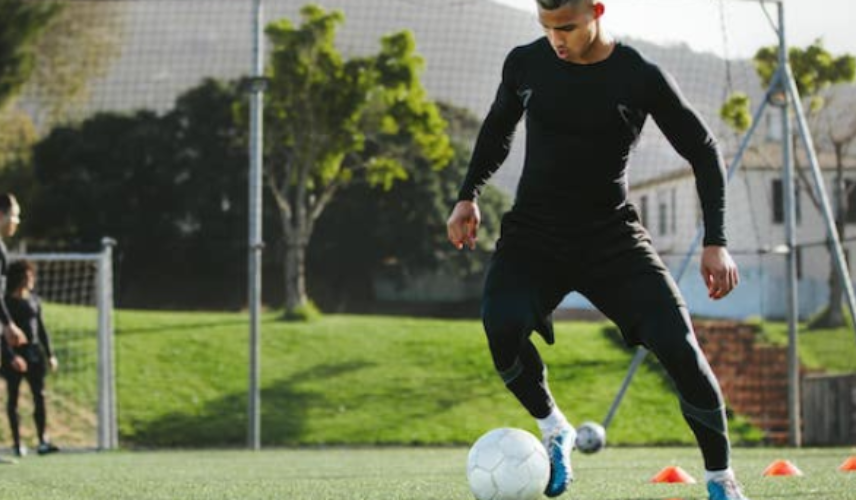
Why Elite Footballers Are Now Trained Without Touching The Ball
Pro academies now prioritize visual and spatial awareness over technical drills. Here's how it works.
See MoreSports Kit Buying Checklist: A Complete Guide
All featured products are selected by our editors and may include affiliate links. If you purchase through these links, we may earn a commission.
Buying a new sports kit is exciting, but with so many brands, materials, sizes, and equipment options available, choosing the right one can feel overwhelming. Questions like Should you prioritise quality over price? Which fabric is best? And do you really need premium footwear? are common, especially if you're buying for the first time.
This Sports Kit Buying Checklist simplifies the process by covering everything you need to consider before making a purchase. From choosing the right clothing and footwear to selecting protective equipment and setting a budget, this guide will help you make informed decisions and invest in a sports kit that offers comfort, performance, and long-lasting value.
10 Essential Steps Before You Buy
Choosing the right sports kit doesn't have to be complicated. Follow these 10 essential steps to ensure you invest in equipment that offers the best comfort, performance, durability, and value for money.
Step 1: Understand Your Sport's Requirements
Understanding your sport's requirements is the first step in choosing the right sports kit. Every sport requires different clothing, footwear, and protective equipment, so selecting the right gear is essential for comfort, safety, and performance.
Before shopping, make a list of the essential items you'll need for your chosen sport.
Essential Equipment by Sport
Before you start shopping, make a complete list of everything you'll need for your chosen sport.
Step 2: Prioritise Comfort Over Style
Everyone wants a sports kit that looks great, and it's easy to be drawn to stylish designs, bold colours, or well-known brands. However, appearance should never come before comfort. A sports kit should help you perform at your best, not distract you during training or competition.
When choosing clothing, consider how it feels while moving. Ask yourself:
- Can I move freely?
- Does the fabric feel lightweight and breathable?
- Is it too tight around my shoulders or waist?
- Will it remain comfortable during long training sessions?
Choosing comfort over style will improve both your confidence and performance.
Step 3: Choose the Right Size
One of the most common mistakes athletes make is buying the wrong size. Some people choose oversized clothing, while others prefer a tighter fit. Neither option is ideal if it restricts movement or feels uncomfortable.
Your sports kit should fit well without being too loose or too tight.
Clothing Checklist
- Correct chest measurement
- Comfortable shoulder fit
- Flexible waist
- Proper sleeve length
- Full range of movement
Footwear Checklist
- Enough space around the toes
- Secure heel support
- Comfortable cushioning
- Proper arch support
- Correct shoe width
If you're shopping online, always compare your measurements with the brand's sizing guide before placing your order.
Step 4: Pay Attention to Fabric Quality
The fabric of your sports clothing plays a major role in comfort and performance. High-quality materials help regulate body temperature, wick away sweat, and keep you comfortable during training.
Popular Sportswear Fabrics
Look for clothing that offers:
- Breathability
- Quick-drying properties
- Stretch and flexibility
- Lightweight construction
- Effective moisture management
Avoid thick fabrics that absorb sweat and become heavy during exercise.
Step 5: Never Ignore Protective Equipment
Safety should always be a priority when buying a sports kit. Many sports require protective equipment to reduce the risk of injuries during training and competition.
Common Protective Equipment
- Helmet
- Shin guards
- Mouthguard
- Knee pads
- Elbow pads
- Protective gloves
- Chest guards
When buying protective gear, ensure it fits properly, meets recognised safety standards, and is free from damage. If protective equipment shows signs of wear, replace it immediately rather than risking your safety.
Step 6: Invest in Quality Footwear
Your footwear is one of the most important parts of your sports kit. The right shoes provide grip, stability, cushioning, and support while helping reduce the risk of slips and injuries.
Before buying, consider:
- Playing surface
- Cushioning
- Grip
- Weight
- Durability
- Arch support
Always choose footwear designed specifically for your sport, as using the wrong type of shoes can negatively affect both performance and safety.
Step 7: Consider the Weather
The weather conditions where you train or compete should influence your choice of sports kit. Wearing the right clothing for the season helps you stay comfortable and perform consistently.
Summer Sports Kit
- Lightweight jersey
- Breathable shorts
- Moisture-wicking socks
- Sun cap (where appropriate)
- Reusable water bottle
Winter Sports Kit
- Thermal base layer
- Waterproof jacket
- Gloves
- Warm socks
- Neck warmer
Layering your clothing is an effective way to stay comfortable in changing weather conditions.
Step 8: Look for Durability
A sports kit is an investment, so it's worth choosing products that are built to last. While cheaper options may seem appealing, they often wear out more quickly.
Look for features such as:
- Reinforced stitching
- Strong seams
- Durable logos and prints
- Fade-resistant colours
- High-quality zips
- Reinforced panels
Durable sportswear provides better long-term value and can withstand frequent training sessions and regular washing.
Step 9: Compare Brands Before Buying
Before making a purchase, take time to compare different brands and products. Looking beyond the price tag can help you find better quality and greater value.
What to Compare
Reading customer reviews can also highlight potential issues that aren't mentioned in product descriptions.
Step 10: Set a Realistic Budget
You don't need the most expensive sports kit to enjoy excellent performance. Instead, focus on buying high-quality essentials that offer the best balance of comfort, durability, and value.
Budget Priorities
- Footwear
- Protective equipment
- Clothing
- Training accessories
- Optional extras
Prioritising essential items first allows you to build a reliable sports kit without overspending.
Don't Forget the Accessories
Accessories are often overlooked, yet they can make training much easier.
Useful additions include:
- Sports bag
- Water bottle
- Sweatbands
- Extra socks
- Spare laces
- Equipment bag
- Towel
- First aid kit
- Resistance bands
- Training cones (for practice)
These small items improve convenience and help you stay organised.
Common Mistakes to Avoid
Many buyers make the same mistakes when purchasing sports equipment.
Avoid these common errors:
- Choosing style over comfort
- Ignoring size charts
- Buying unsuitable footwear
- Forgetting protective equipment
- Purchasing poor-quality fabrics
- Shopping without comparing brands
- Choosing the cheapest option without considering durability
- Ignoring customer reviews
Avoiding these mistakes can save you money and improve your overall experience.
Pro Tips Before You Buy
Here are a few extra tips that experienced athletes often follow:
- Try equipment on whenever possible.
- Read verified customer reviews before ordering online.
- Wash sportswear according to the care instructions to extend its lifespan.
- Replace worn footwear before it affects your performance.
- Keep spare socks and accessories in your sports bag.
- Invest in quality where it matters most, especially shoes and protective gear.
These small habits can make a big difference over time.
FAQs
What Should a Complete Sports Kit Include?
A complete sports kit typically includes sport-specific clothing, suitable footwear, protective equipment, and essential accessories required for training and competition.
Is Expensive Sports Equipment Always Better?
Not always. The best choice depends on quality, comfort, durability, and suitability for your sport. Many mid-range products offer excellent value.
How Often Should Sports Shoes Be Replaced?
If you train regularly, sports shoes should be replaced once they lose their cushioning, grip, or structural support. Worn-out footwear can increase the risk of injury.
What's the Most Important Item in a Sports Kit?
While every item plays a role, properly fitted footwear and appropriate protective equipment are often the most important for comfort, performance, and safety.
Should Beginners Buy Premium Equipment?
Beginners don't usually need top-of-the-range gear. Start with reliable, good-quality essentials and upgrade as your skills and training demands increase.
Choosing the right sports kit is about finding equipment that fits well, suits your sport, and supports your performance. By following this Sports Kit Buying Checklist, you can make informed decisions, avoid common mistakes, and invest in gear that offers lasting comfort, safety, and value.
Take the time to compare your options and prioritise quality to get the most out of every training session and competition.
Want to stay updated? Connect with GoodsTrial for the latest sports gear tips, buying guides, and product updates.
Recent Blogs