Related Blogs
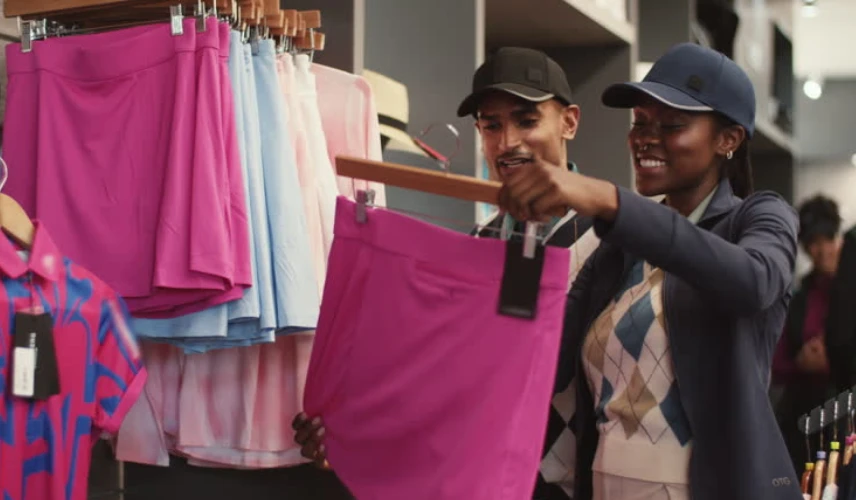
Sports Kit Buying Checklist: A Complete Guide
Buying a new sports kit is exciting, but choosing the right gear can quickly feel overwhelming. This ultimate Sports Kit Buying Checklist simplifies the whole process. Discover essential tips on comfort, materials, and safety to make smart investments.
See More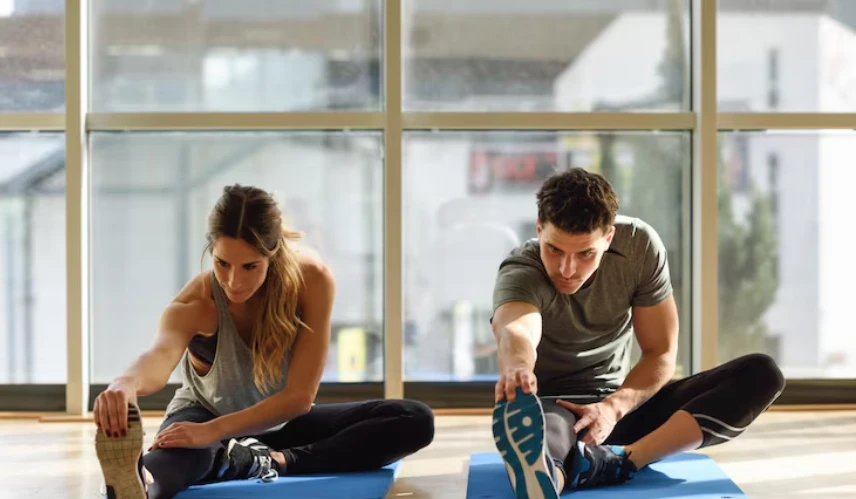
Benefits of Regular Exercise for a Healthy Lifestyle
Wondering how regular exercise can improve your health? Staying active helps strengthen your body, boost your mood, increase energy levels, and support a healthier lifestyle. From better fitness to improved mental well-being, regular exercise offers benefits that help you feel stronger and healthier every day.
See More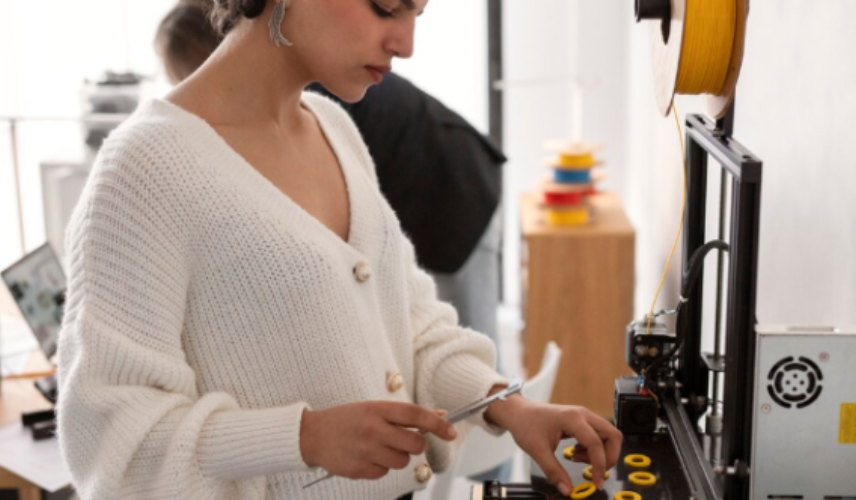
Best Snapmaker Machines for Creative Makers
Discover Snapmaker's best multifunction machines for 3D printing, laser engraving, and CNC carving. Learn their features, benefits, and which model fits your creative needs.
See More
MiHIGH Cold Plunge Review: Is It Worth Buying?
Looking for a reliable home ice bath? This MiHIGH Cold Plunge review explores its features, benefits, usability, and recovery advantages to help you determine whether it deserves a place in your wellness routine.
See More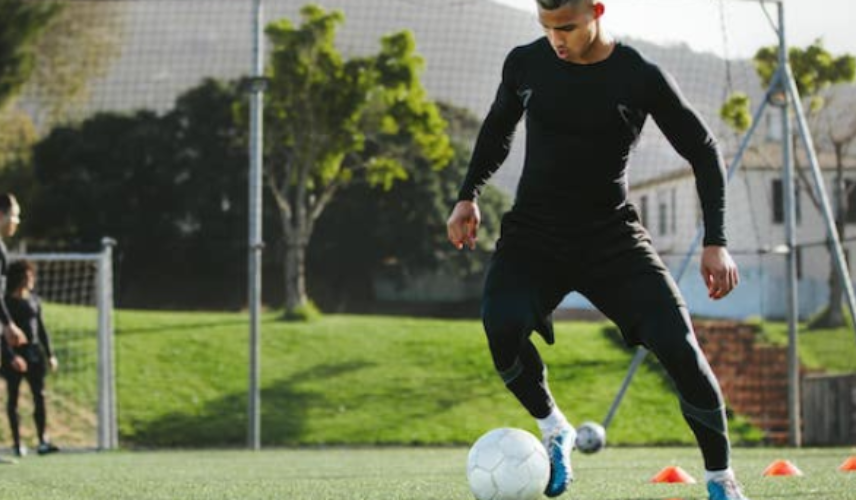
Why Elite Footballers Are Now Trained Without Touching The Ball
Pro academies now prioritize visual and spatial awareness over technical drills. Here's how it works.
See More10 Common Sports Equipment Mistakes to Avoid
All featured products are selected by our editors and may include affiliate links. If you purchase through these links, we may earn a commission.
Have you ever bought sports equipment only to realise it wasn't the right fit, didn't last long, or wasn't suitable for your sport? You're not alone. Many athletes, from beginners to experienced players, make avoidable mistakes when buying sports gear, often leading to unnecessary costs, poor performance, or even injuries.
The good news is that these mistakes are easy to avoid with the right knowledge. In this guide, we'll cover the 10 most common sports equipment mistakes and share practical tips to help you make smarter purchasing decisions.
Sports Equipment Buying Mistakes
Choosing the right sports equipment isn't always straightforward. From selecting the wrong size to overlooking safety gear, even small mistakes can affect your comfort, performance, and budget. Below are the 10 most common sports equipment mistakes and practical tips to help you avoid them.
1. Buying the Wrong Size
One of the most common mistakes is choosing equipment that doesn't fit properly. Shoes that are too tight can cause blisters, while oversized clothing or protective gear may restrict movement and affect performance.
Before buying:
- Measure yourself accurately.
- Use the manufacturer's size guide.
- Try equipment on whenever possible.
- Make sure it feels comfortable while moving.
A proper fit can improve both comfort and confidence.
2. Choosing Price Over Quality
It's tempting to buy the cheapest option, especially if you're on a budget. However, low-cost equipment often wears out quickly and may not provide the comfort or protection you need.
Instead of focusing only on price, consider:
- Material quality
- Durability
- Customer reviews
- Warranty
- Overall value for money
Buying quality equipment often saves money in the long run.
3. Ignoring Sport-Specific Requirements
Every sport has unique equipment requirements. Using the wrong gear can reduce performance and increase the risk of injury.
For example:
Always choose equipment designed specifically for your sport.
4. Overlooking Protective Equipment
Protective equipment is just as important as clothing and footwear. Skipping safety gear may lead to preventable injuries during training or competition.
Common protective equipment includes:
- Helmets
- Shin guards
- Mouthguards
- Knee pads
- Elbow pads
- Protective gloves
Always ensure protective gear fits properly and meets recognised safety standards.
5. Buying Without Research
Would you buy a phone or laptop without reading reviews? The same approach should apply to sports equipment.
Before purchasing, take a few minutes to:
- Read customer reviews.
- Compare different brands.
- Check product specifications.
- Understand the return policy.
- Look for warranty information.
A little research can help you avoid expensive mistakes.
6. Choosing Style Over Comfort
A stylish sports kit may look impressive, but it won't improve your performance if it's uncomfortable. Comfort should always come before appearance.
Ask yourself:
- Does it allow free movement?
- Is the fabric breathable?
- Will it stay comfortable during long training sessions?
- Is it suitable for my sport?
The most effective sports equipment is the gear that helps you perform at your best.
7. Forgetting About Durability
Sports equipment should be built to handle regular use. Choosing poor-quality products may lead to frequent replacements and higher costs over time.
Look for features such as:
- Reinforced stitching
- Durable materials
- Strong seams
- Fade-resistant fabrics
- Quality fastenings
Investing in durable equipment provides better long-term value.
8. Buying Everything at Once
Many beginners feel they need to buy a complete sports kit immediately. While enthusiasm is great, purchasing everything at once can quickly become expensive.
Start with the essentials:
- Footwear
- Protective equipment
- Clothing
- Training accessories
- Optional extras
As your skills develop, you can gradually upgrade your equipment.
9. Not Considering the Playing Environment
The conditions where you train or compete should influence your buying decisions.
For example:
- Outdoor sports require weather-resistant equipment.
- Indoor sports need shoes designed for smooth surfaces.
- Winter training may require thermal clothing.
- Summer sessions benefit from lightweight, breathable fabrics.
Choosing equipment suited to your environment improves comfort and performance.
10. Failing to Replace Worn-Out Equipment
Even the best sports equipment won't last forever. Worn-out shoes lose cushioning, protective gear becomes less effective, and damaged clothing can affect comfort.
Replace equipment if you notice:
- Worn soles
- Torn fabric
- Damaged protective padding
- Reduced grip
- Broken straps or fasteners
Regularly checking your equipment helps you stay safe and perform at your best.
FAQs
What Is the Most Common Sports Equipment Mistake?
Buying the wrong size is one of the most common mistakes. Poorly fitted equipment can reduce comfort, affect performance, and increase the risk of injury.
How Can I Choose the Right Sports Equipment?
Start by considering your sport, budget, comfort, fit, and the quality of the materials. Reading reviews and comparing products can also help you make a better decision.
Is Expensive Sports Equipment Worth It?
Not always. Mid-range products often provide excellent quality and durability. Focus on value, comfort, and performance rather than price alone.
How Often Should Sports Equipment Be Replaced?
Replace sports equipment when it becomes damaged, worn out, or no longer provides the support or protection you need. Regular inspections can help you identify when it's time for a replacement.
Why Is Protective Equipment Important?
Protective equipment helps reduce the risk of injuries by safeguarding vulnerable areas of the body during training and competition. Wearing the right protective gear is essential for both safety and confidence.
Avoiding these common sports equipment mistakes can save you money, improve your performance, and help prevent injuries. Instead of choosing equipment based solely on price or appearance, focus on quality, comfort, durability, and the specific requirements of your sport.
Take the time to compare your options, do your research, and invest in equipment that supports your goals. The right sports gear isn't just a purchase—it's an investment in your performance, safety, and long-term success.
Stay updated with GoodsTrial for the latest sports guides, buying tips, and gear recommendations.
Recent Blogs